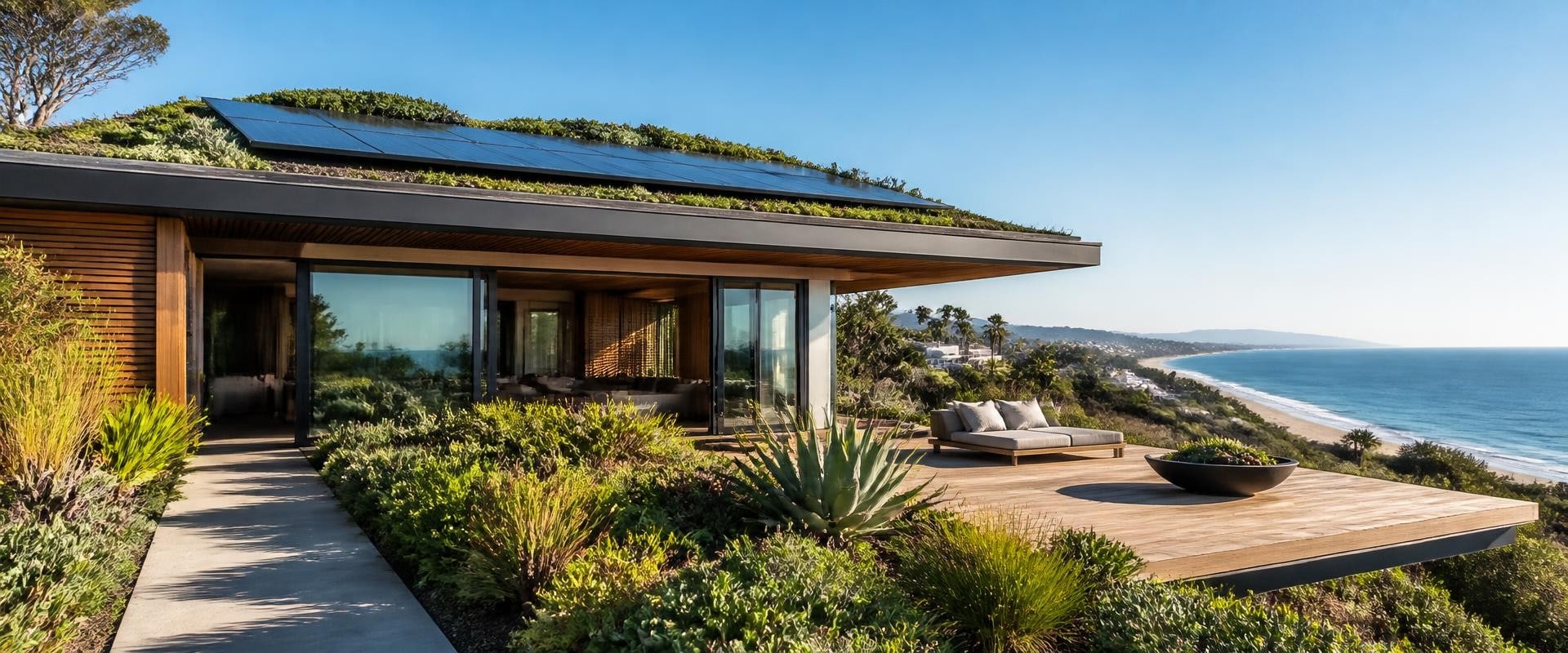
As the world increasingly prioritizes sustainability in various sectors, the trends in sustainable designtrends in sustainable design are becoming a focal point for architects, builders, and homeowners alike. In this dynamic landscape, San Diego Contractor News stands at the forefront, providing invaluable insights into how these trends are shaping the construction industry in our vibrant city. The push for eco-friendly materials, energy-efficient systems, and innovative design solutions is not just a fleeting trend; it represents a profound shift in how we think about our built environments and their impact on the planet. San Diego, with its unique climate and cultural diversity, offers a rich canvas for sustainable design practices. From residential projects that utilize reclaimed materials to commercial buildings that incorporate green roofs and solar panels, the evolution of design in our area reflects a growing commitment to environmental responsibility. stands at the forefront, providing invaluable insights into how these trends are shaping the construction industry in our vibrant city. The push for eco-friendly materials, energy-efficient systems, and innovative design solutions is not just a fleeting trend; it represents a profound shift in how we think about our built environments and their impact on the planet. San Diego, with its unique climate and cultural diversity, offers a rich canvas for sustainable design practices. From residential projects that utilize reclaimed materials to commercial buildings that incorporate green roofs and solar panels, the evolution of design in our area reflects a growing commitment to environmental responsibility.
As we explore the latest trends in sustainable design, it is essential to understand not only the aesthetic and functional aspects but also the regulatory frameworks that influence these developments. In this article, we will delve deeper into the current trends shaping sustainable design in San Diego, shedding light on innovative practices and highlighting local projects that exemplify these principles. Join us as we uncover how sustainability is being woven into the fabric of our city’s architectural landscape. As the construction industry evolves, sustainable design is becoming an increasingly vital aspect of new projects, particularly in environmentally conscious cities like San Diego. With the rising awareness of climate change and its impacts, homeowners and contractors are seeking innovative ways to incorporate sustainability into their building practices.
San Diego Contractor News
serves as a crucial resource for those looking to stay informed about the latest developments in construction trends, regulations, and projects that prioritize sustainability. One of the most significant trends in sustainable design is the use of energy-efficient building materials.These materials not only reduce the overall carbon footprint of a building but also help lower energy costs over time. Products such as high-performance insulation, energy-efficient windows, and sustainable lumber are gaining popularity among builders and homeowners alike. By investing in these materials, homeowners can enjoy long-term savings while contributing to a more sustainable future. Another prominent trend is the implementation of green roofs. These living roofs provide numerous benefits, including improved insulation, reduced heat island effect, and enhanced biodiversity.
In urban areas like San Diego, where space is limited, green roofs present an excellent opportunity to create green spaces that contribute to the overall aesthetic and ecological health of the city. They also help with stormwater management by absorbing rainwater, thereby reducing runoff and the burden on local drainage systems. Water conservation techniques are also essential components of sustainable design. In a region known for its arid climate, San Diego has seen a growing emphasis on water-efficient landscaping and plumbing fixtures. Homeowners are increasingly adopting xeriscaping, which utilizes drought-tolerant plants and minimizes irrigation needs.
Additionally, technologies such as greywater recycling systems allow homeowners to reuse water from sinks and showers for irrigation purposes. These practices not only conserve water but can also lead to significant cost savings on utility bills. Local regulations play a crucial role in promoting sustainable practices. California's Title 24 energy efficiency standards are designed to ensure that new buildings meet specific energy-saving criteria. These regulations encourage builders to adopt more efficient designs and technologies, which ultimately benefit both the environment and homeowners through reduced energy costs.
Compliance with these standards is not only mandatory but can also enhance a project's marketability in a competitive real estate market. Successful sustainable projects in San Diego serve as excellent examples of these trends in action. The Bullitt Center, often dubbed the "greenest commercial building in the world," has inspired similar projects in the area by showcasing how innovative design can lead to remarkable sustainability outcomes. Another noteworthy project is the San Diego International Airport's Terminal 2 expansion, which has incorporated numerous sustainable design features, including solar panels and a rainwater harvesting system. Despite the clear benefits of these practices, some traditionalists within the construction industry express concerns regarding the costs and practicality of implementing sustainable design. They argue that initial investments can be high and question whether these investments yield a significant return.
However, studies have shown that the long-term savings from reduced energy consumption and maintenance costs often outweigh initial expenditures. Furthermore, with increasingly stringent regulations pushing for sustainability, adapting to these trends may soon become not just beneficial but necessary for remaining competitive in the market. In conclusion, the trends in sustainable design in San Diego reflect a broader movement towards environmentally responsible construction practices. As homeowners and contractors become more aware of these opportunities, resources like San Diego Contractor News will continue to be invaluable for providing insights into best practices and regulatory updates that support this essential shift in the industry.
Innovative Materials and Technologies
The realm of sustainable design is rapidly evolving, thanks in large part to the advent of innovative materials and technologies. In San Diego, where environmental consciousness is a priority, contractors and homeowners alike are increasingly turning to these advancements to promote sustainability in their projects.San Diego Contractor News serves as an invaluable resource for those looking to stay informed about these transformative developments. One significant trend in sustainable design is the use of recycled materials. These materials not only minimize waste but also reduce the demand for new resources. For instance, reclaimed wood, recycled metal, and eco-friendly concrete are becoming staples in construction projects. By incorporating these materials, builders can create structures that are both aesthetically pleasing and environmentally responsible. In addition to recycled materials, smart home technology is playing a crucial role in sustainable design.
This technology enables homeowners to monitor and control energy usage more effectively. From smart thermostats that optimize heating and cooling to energy-efficient lighting systems that adjust based on occupancy, these innovations help reduce energy consumption and lower utility bills. The integration of smart technologies not only enhances convenience but also aligns with sustainable practices. As the construction landscape continues to evolve, staying informed about the latest materials and technologies is essential for anyone involved in building or renovating in San Diego. Resources like San Diego Contractor News provide updates on industry trends that promote sustainability, helping to foster a greener future for the community.
Key Principles of Sustainable Design
Sustainable design is founded on several core principles that aim to create a harmonious balance between the built environment and the natural world.These principles are increasingly important in the construction industry, particularly in areas like San Diego where environmental awareness and innovation are at the forefront.
San Diego Contractor News
serves as a vital resource for homeowners and contractors who want to stay informed about these evolving trends. One of the key principles of sustainable design is reducing waste. This involves using materials efficiently, minimizing excess, and ensuring that construction processes generate as little waste as possible. By implementing strategies such as recycling and repurposing materials, builders can significantly reduce their environmental impact. Another fundamental principle is minimizing energy use.Sustainable design promotes the use of energy-efficient systems and renewable energy sources. This not only lowers utility bills for homeowners but also contributes to a decrease in carbon emissions. Incorporating features like solar panels, high-performance insulation, and energy-efficient appliances can help achieve this goal. Lastly, enhancing quality of life is an essential aspect of sustainable design. This principle emphasizes creating spaces that promote well-being, health, and comfort for occupants.
This can be achieved through thoughtful layout designs, access to natural light, and incorporating green spaces that improve air quality and provide recreational opportunities. By adhering to these principles, designers and builders in San Diego can contribute to a more sustainable future while aligning with the latest trends in the industry, as highlighted by San Diego Contractor News.
Regulatory Landscape in San Diego
The regulatory landscape in San Diego plays a crucial role in shaping sustainable design practices within the construction industry. As awareness of environmental issues grows, local building codes and regulations have evolved to encourage more sustainable methods of construction. This shift is particularly relevant in San Diego, where natural beauty and environmental conservation are paramount. San Diego has implemented several building codes that directly impact sustainable design. These regulations often include requirements for energy efficiency, water conservation, and the use of sustainable materials.For instance, the city has adopted the California Green Building Standards Code (CALGreen), which mandates certain green building practices for both residential and commercial projects. Compliance with these standards not only ensures that buildings meet sustainability benchmarks but can also lead to long-term cost savings for homeowners and contractors. Moreover, there are various incentives available for projects that exceed these mandatory standards. Programs such as the San Diego Sustainable Building Policy encourage developers to pursue innovative design solutions that go beyond basic compliance. By engaging in such initiatives, contractors can benefit from expedited permitting processes, financial rebates, and recognition through local awards.
These opportunities not only enhance the environmental performance of projects but also contribute positively to the community's overall sustainability goals. For those looking to stay informed about the latest developments in sustainable design and regulatory changes, San Diego Contractor News serves as a vital resource. With comprehensive coverage of construction trends and regulations, it assists both homeowners and contractors in navigating the complex landscape of sustainable building practices.
Case Studies of Sustainable Projects
In San Diego, the push for sustainable design has led to the development of several notable projects that not only highlight innovative design but also exemplify successful implementation of eco-friendly practices. One such project is the San Diego Central Library, which has become a beacon of sustainability in urban design. This library features a green roof that reduces heat island effect and improves energy efficiency while also providing a community space for residents. Another exemplary project is the Scripps Oceanography Research Facility, which utilizes advanced energy-efficient technologies and sustainable materials.This facility is designed to minimize water usage and maximize natural light, showcasing how sustainable design can be integrated into functional research environments. Moreover, the Horton Plaza Park renovation reflects a commitment to sustainable urban spaces. The park incorporates native landscaping and permeable paving, which helps manage stormwater runoff effectively while creating a vibrant community gathering space. These case studies not only demonstrate the innovative spirit of San Diego's architectural landscape but also highlight the importance of sustainable practices in construction. As homeowners and contractors look for guidance on similar projects, San Diego Contractor News serves as an essential resource, providing insights into ongoing trends and regulations that promote sustainability in the local construction industry.
Future Outlook for Sustainable Design
The future of sustainable design in San Diego is poised for significant evolution, driven by both technological advancements and shifting regulatory frameworks. As the city continues to prioritize environmental responsibility, we can expect to see a surge in innovative building practices and materials that align with sustainability goals.This is crucial in a region where the impact of climate change is increasingly visible and pressing. One major trend likely to shape the landscape of sustainable design is the integration of smart technologies. With the rise of the Internet of Things (IoT), buildings in San Diego will increasingly feature automated systems that enhance energy efficiency. For instance, smart sensors can optimize heating, cooling, and lighting based on occupancy patterns, which not only reduces energy consumption but also lowers utility costs for homeowners. Furthermore, as regulations around sustainable construction become more stringent, we can anticipate a greater emphasis on eco-friendly materials and practices. San Diego's local government has already begun implementing policies that encourage the use of renewable resources and sustainable materials in new developments.
This trend will likely continue, pushing contractors and builders to adopt greener alternatives that meet or exceed these regulations. Additionally, community engagement will play a pivotal role in shaping the future of sustainable design. As residents become more informed about sustainability issues, there will be increased demand for projects that reflect community values and priorities. Platforms like San Diego Contractor News serve as essential resources for keeping both homeowners and contractors updated on these evolving trends and regulations, ensuring that they can make informed decisions about their projects. In conclusion, the outlook for sustainable design in San Diego is optimistic. With continuous advancements in technology and a proactive approach to regulation and community involvement, the future promises to foster a more sustainable built environment that benefits both residents and the planet. In conclusion, staying updated on sustainable design trends is crucial for both homeowners and contractors.
As the construction industry continues to evolve, understanding the latest innovations and regulatory changes can significantly impact project success and sustainability outcomes. Resources like San Diego Contractor News are invaluable for anyone looking to navigate these trends effectively. By keeping informed, stakeholders can make better decisions that align with their sustainability goals and contribute positively to the environment. As we move forward, it is essential to embrace these trends not just for compliance, but as a commitment to building a greener future. Regularly checking platforms like San Diego Contractor News ensures that you are aware of ongoing developments in sustainable practices, materials, and technologies that can enhance your projects.