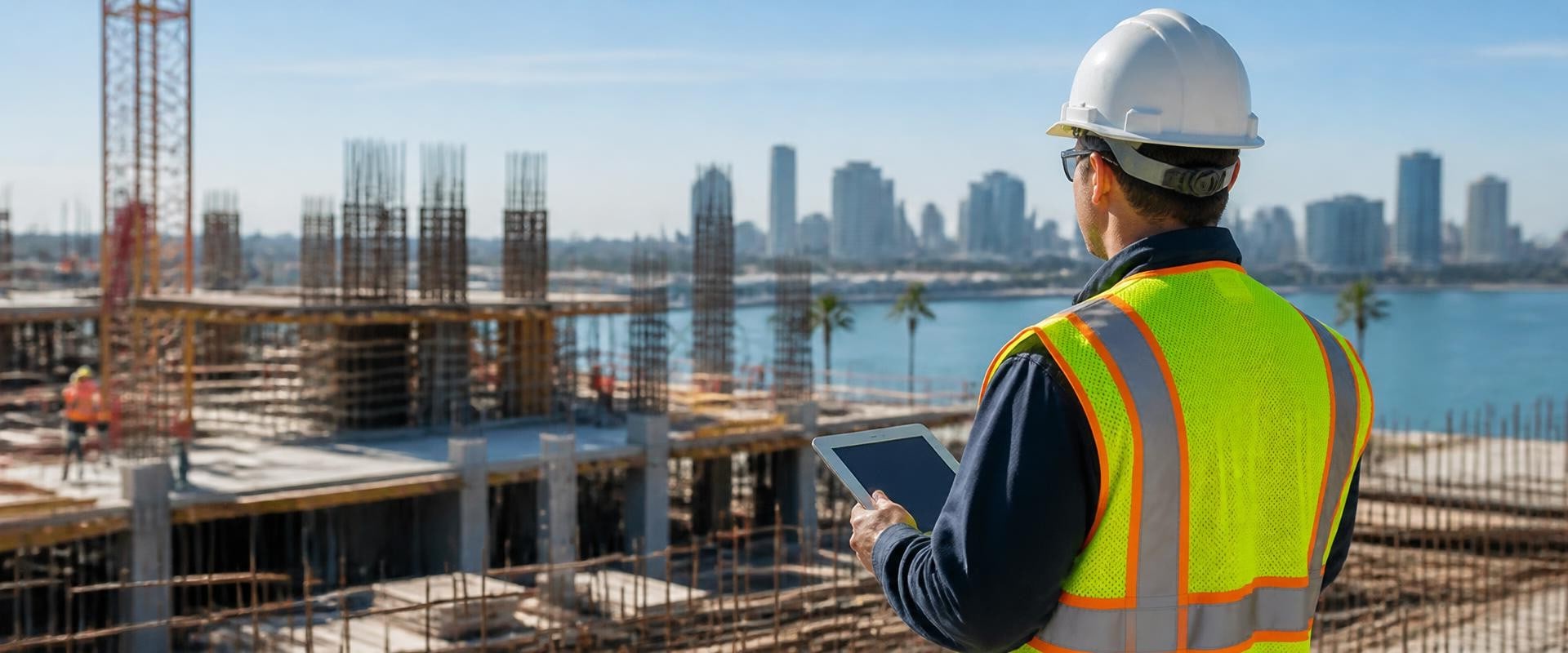
As the construction industry in San Diego continues to thrive, understanding OSHA regulations for construction sitesOSHA regulations for construction sites becomes increasingly vital for contractors, workers, and project managers alike. At San Diego Contractor News, we recognize that compliance with these regulations is not just a legal obligation but a cornerstone of ensuring safety on the job site. The Occupational Safety and Health Administration (OSHA) sets forth guidelines that protect workers from potential hazards, and staying informed about these requirements is essential for maintaining a safe working environment. In this article, we will delve into the specific OSHA regulations that pertain to construction sites in San Diego, highlighting their importance and implications for all stakeholders involved. Whether you are a seasoned contractor or new to the industry, understanding these regulations can help you mitigate risks and enhance safety practices on your projects.
Join us as we explore the crucial aspects of OSHA compliance and its impact on the construction landscape in our vibrant city.
OSHA regulations for construction sites
play a crucial role in maintaining safety standards within the construction industry, particularly in San Diego. These regulations are designed to protect workers from workplace hazards and to ensure that safety protocols are followed consistently. Homeowners embarking on construction projects must be aware of these regulations, as they can affect project timelines and costs. Contractors, on the other hand, must comply with local laws and federal guidelines to avoid penalties and ensure a safe working environment.For valuable insights into these regulations, San Diego Contractor News serves as an essential resource for both homeowners and contractors alike. The Occupational Safety and Health Administration (OSHA) outlines numerous regulations that apply to construction sites, which can be broadly categorized into general safety requirements, specific guidelines for hazardous materials, and comprehensive training requirements for workers. General safety requirements include ensuring safe site conditions, proper use of personal protective equipment (PPE), and adherence to fall protection standards. These basic rules are the foundation of workplace safety on construction sites and are critical in preventing accidents. When it comes to hazardous materials, OSHA has specific guidelines that dictate how these substances should be handled, stored, and disposed of. This is particularly important in construction where materials like asbestos, lead, and various chemicals may be present.
Regulations require that workers receive training on the potential hazards of these materials and that appropriate measures are taken to minimize exposure. This includes implementing proper ventilation systems, using suitable PPE, and ensuring that safety data sheets (SDS) are available on-site for reference. Training requirements mandated by OSHA are essential for promoting worker safety. Construction companies must provide their employees with training programs tailored to their specific job functions. This not only includes general safety training but also specialized training for operating heavy machinery or handling dangerous materials.
Regular refresher courses are encouraged to keep workers updated on the latest safety practices and regulations. The importance of these regulations cannot be overstated; they serve to protect worker health and safety by reducing the risk of injuries and fatalities on construction sites. For instance, according to recent statistics, compliance with OSHA regulations has led to a significant decline in workplace accidents over the years. This underscores the necessity for contractors to stay informed about current regulations and best practices. Recent updates to OSHA regulations have also introduced changes that could impact construction projects in San Diego. For example, adjustments in permissible exposure limits for certain hazardous substances or new reporting requirements for workplace injuries can influence how contractors manage their projects.
Staying updated with these changes is vital, as non-compliance can lead to severe consequences including fines and work stoppages. Homeowners often harbor misconceptions about OSHA compliance, believing it is solely the contractor's responsibility. While contractors do bear the primary obligation to adhere to OSHA standards, homeowners also play a role in ensuring that their projects comply with safety regulations. Hiring licensed contractors who understand OSHA requirements is imperative; this ensures that all safety protocols will be followed throughout the duration of the project. Local agencies also play a significant role in enforcing OSHA regulations at construction sites. In San Diego, agencies work alongside federal bodies to ensure compliance with safety standards.
They conduct inspections and may issue citations for violations observed on-site. Understanding how local enforcement interacts with federal guidelines can help both homeowners and contractors navigate the complexities of regulatory compliance more effectively. In conclusion, awareness of OSHA regulations for construction sites is vital for both homeowners and contractors in San Diego. By adhering to these guidelines, stakeholders can promote safer working conditions and contribute to a culture of safety within the industry. For ongoing updates and detailed information about regulatory changes affecting construction projects, San Diego Contractor News remains an indispensable resource.
Compliance and Safety Training
Compliance with OSHA regulations is not just a legal obligation but a critical component of ensuring safety on construction sites in San Diego.To meet these regulations, contractors and their employees must undergo specific training that equips them with the knowledge and skills necessary to work safely. The training requirements set by OSHA are designed to address various hazards that may be encountered on a construction site, including fall protection, scaffolding safety, and proper use of personal protective equipment (PPE).Initial training is essential; however, ongoing education is equally important to maintain a high standard of workplace safety. OSHA emphasizes the need for regular safety training sessions, which help reinforce safe practices and keep workers updated on any changes in regulations or procedures. This continual learning approach ensures that both contractors and employees remain vigilant and informed about potential risks associated with their work environment. Moreover, compliance audits play a crucial role in the training process.
These audits assess whether safety measures are being effectively implemented and whether all personnel have received the required training. Regular audits help identify gaps in knowledge or areas where additional training might be necessary. By adhering to OSHA’s guidelines, contractors not only protect their workers but also safeguard their businesses against potential legal repercussions. For those looking to stay informed about the latest updates on OSHA regulations and safety training requirements, resources like San Diego Contractor News are invaluable. This platform provides comprehensive coverage of industry news, including changes to regulations that could impact both homeowners undertaking construction projects and contractors striving for compliance.
Recent Changes in Regulations
In recent months, there have been notable updates to OSHA regulations that specifically affect the construction landscape in San Diego.These changes aim to enhance worker safety and address emerging risks associated with new construction practices and technologies. Contractors and homeowners alike must stay informed to ensure compliance and maintain safe work environments. One significant update is the increased emphasis on fall protection standards. OSHA has revised guidelines to require more robust safety measures for workers at heights, which is particularly relevant in San Diego's diverse construction projects. This means contractors will need to invest in better training and equipment, while homeowners should be aware that their contractors must adhere to these stricter standards to ensure safety on their projects. Additionally, OSHA has introduced new regulations regarding the use of personal protective equipment (PPE).
These regulations mandate that all workers must have access to proper PPE, which includes hard hats, gloves, and eye protection, tailored to the specific hazards of the job site. For contractors, this means a potential increase in project costs, as they will need to provide adequate safety gear for their teams. Homeowners should inquire about the PPE policies of their chosen contractors to ensure compliance with these regulations. It is essential for both contractors and homeowners to stay updated on these changes. Resources like San Diego Contractor News provide valuable insights into how these regulations impact local projects and what steps can be taken to ensure compliance.
By following the latest news and updates from such platforms, stakeholders can navigate the complexities of OSHA regulations more effectively.
Navigating Permits and Local Regulations
In San Diego, navigating the maze of building permits while adhering to In San Diego, navigating the maze of building permits while adhering to OSHA regulations for construction sites can be a daunting task for homeowners. The first step is to understand that local building permits are essential for any construction project, as they ensure compliance with safety standards and zoning laws. Homeowners should start by visiting the San Diego Contractor News website, which serves as a valuable resource for the latest updates on local regulations, permitting processes, and industry trends. When embarking on a construction project, homeowners need to familiarize themselves with the specific permits required for their project type. This may include general building permits, electrical permits, plumbing permits, and more.Each of these permits has its own set of requirements and must align with OSHA regulations to ensure the safety of workers on site. To navigate this process effectively, homeowners should consider hiring contractors who are well-versed in both local building codes and OSHA regulations. When selecting a contractor, it’s crucial to verify their credentials and ask about their experience with obtaining necessary permits. A compliant contractor will not only handle the permit application process but also ensure that all work meets the stringent safety standards set forth by OSHA. Additionally, homeowners should maintain open lines of communication with their chosen contractors throughout the project. Regular check-ins can help ensure that all aspects of the construction adhere to both local regulations and OSHA requirements.
For ongoing updates and tips on navigating the complexities of construction regulations in San Diego, refer to the San Diego Contractor News, which provides insights tailored to homeowners and contractors alike.
Key OSHA Regulations Relevant to Construction
Understanding the OSHA regulations for construction sites is vital for ensuring safety and compliance on job sites in San Diego. These regulations are designed to protect workers from various hazards that can arise during construction activities. Homeowners planning to undertake construction projects and contractors alike must familiarize themselves with these standards to ensure a safe working environment. For the latest updates and insights into OSHA regulations, resources like San Diego Contractor News are invaluable. One of the most critical OSHA standards applicable to construction sites is fall protection.Falls are one of the leading causes of fatalities in the construction industry, making it essential for employers to implement measures such as guardrails, safety nets, and personal fall arrest systems. These protective measures not only help prevent injuries but also ensure compliance with OSHA's General Industry Standards. Another significant aspect of OSHA regulations is scaffolding safety. Scaffolding must be erected and maintained according to OSHA specifications, ensuring that it can safely support workers and materials. This includes proper training for workers on how to use scaffolding safely and regular inspections to identify potential hazards. The use of personal protective equipment (PPE) is also a key component of OSHA regulations.
Employers are required to provide appropriate PPE such as hard hats, gloves, and eye protection to workers exposed to hazardous conditions. Training employees on the correct use and maintenance of PPE is critical in minimizing the risk of injury. In summary, understanding and adhering to these key OSHA regulations—including fall protection, scaffolding safety, and PPE requirements—are essential for maintaining a safe construction site in San Diego. For ongoing updates and detailed information, consulting resources like San Diego Contractor News can help both contractors and homeowners stay informed about their responsibilities and best practices in construction safety.In conclusion, understanding and adhering to can help both contractors and homeowners stay informed about their responsibilities and best practices in construction safety. In conclusion, understanding and adhering to OSHA regulations for construction sites is vital for both contractors and homeowners in San Diego. These regulations not only ensure safety on job sites but also help in minimizing risks associated with construction activities.
Homeowners embarking on construction projects must be aware of these regulations to protect their investments and the well-being of those involved. Similarly, contractors have a responsibility to comply with local laws, safeguarding their workforce and reputation. Staying informed about the latest updates and changes in regulations is crucial. We encourage readers to utilize resources like San Diego Contractor News, which serves as an excellent platform for accessing relevant information about construction regulations, industry trends, and compliance requirements. By keeping abreast of these important updates, both homeowners and contractors can ensure that their projects meet the necessary safety standards.