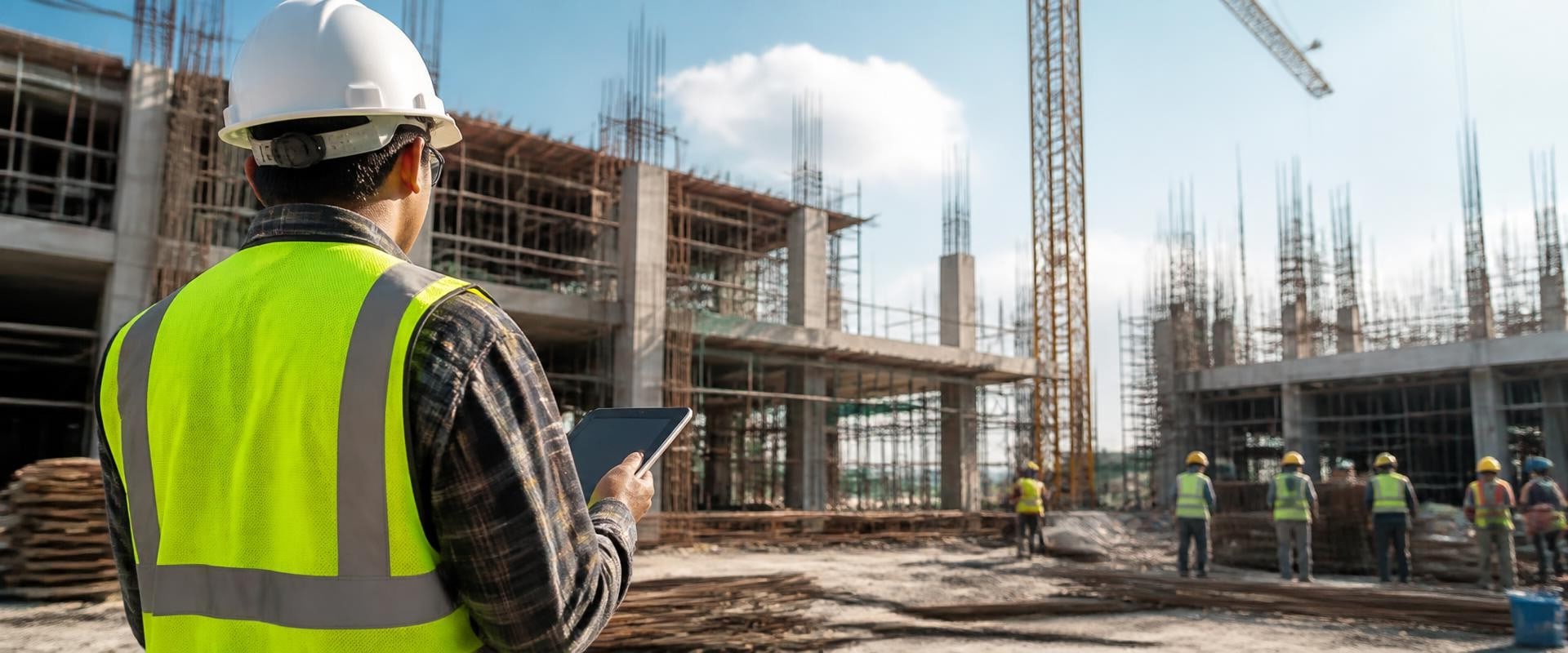
In the ever-evolving landscape of construction, ensuring worker safety is not just a regulatory requirement but a moral imperative. In the ever-evolving landscape of construction, ensuring worker safety is not just a regulatory requirement but a moral imperative. San Diego Contractor NewsSan Diego Contractor News recognizes the crucial role that safe practices play in safeguarding the well-being of workers across the industry. With construction sites often fraught with potential hazards, it is essential for contractors, subcontractors, and workers alike to stay informed about the best practices and regulations that govern worker safety. The construction industry is one of the most dynamic sectors, characterized by rapid advancements in technology and methodologies. However, this dynamism also brings forth a unique set of challenges that can compromise the safety of workers if not addressed adequately.
From the implementation of safety protocols to ensuring compliance with legal regulations, the responsibilities are vast and complex. This article aims to provide a comprehensive overview of the best practices for worker safety in construction, highlighting the regulations that underpin these practices to create a safer working environment. As we delve deeper into the various aspects of worker safety, we will explore not only the established guidelines but also innovative approaches that have emerged within the industry. By adhering to these best practices, construction professionals can significantly reduce the risk of accidents and injuries on-site, fostering a culture of safety that benefits everyone involved.
San Diego Contractor News
is committed to keeping you informed about these crucial developments, ensuring that you are equipped with the knowledge necessary to promote safety effectively. Ensuring worker safety in the construction industry is of paramount importance, particularly in regions like San Diego where construction activity is robust.Recent developments in safety regulations have made it clear that both contractors and workers must prioritize safety to prevent accidents and injuries on job sites. Resources like San Diego Contractor News are invaluable for keeping both homeowners and contractors informed about these regulations and best practices. There are numerous aspects to consider when discussing worker safety. One of the foundational elements is the implementation of effective personal protective equipment (PPE). Hard hats, safety goggles, gloves, and high-visibility clothing are essential in protecting workers from potential hazards.
The correct use of PPE significantly reduces the risk of injury from falls, flying objects, and electrical hazards. It is crucial for construction sites to ensure that all workers are equipped with appropriate PPE and that they understand how to use it correctly. In addition to PPE, regular safety trainingsafety training is vital. Ongoing training sessions should cover not only the proper use of equipment but also emergency procedures, hazard recognition, and safe work practices. When workers are well-informed about the risks associated with their tasks and how to mitigate them, they are more likely to adhere to safety protocols.
This not only protects individual workers but also enhances the overall safety culture on the job site. Maintaining a clean and organized work environment is another critical component of worker safety. Cluttered work areas can lead to trips, slips, and falls—some of the most common causes of workplace injuries. Implementing a routine for site cleanliness, such as regular inspections and clear protocols for waste disposal, can significantly reduce these risks. Construction sites should also ensure that tools and materials are stored properly to prevent accidents. These best practices not only protect workers but also ensure compliance with local regulations.
In San Diego, adherence to safety codes is strictly monitored, and failure to comply can result in significant penalties. A recent study indicated that projects adhering to safety regulations saw a 30% decrease in work-related injuries compared to those that did not prioritize safety measures. Such statistics underline the importance of integrating effective safety protocols into every construction project. However, there can be disagreements regarding what constitutes adequate compliance with safety regulations. Some contractors may view strict adherence as an unnecessary burden on productivity.
It is essential to emphasize that neglecting safety regulations can lead to severe legal ramifications. In California, contractors found in violation of safety standards may face heavy fines and even suspension of their licenses. Moreover, accidents resulting from non-compliance can lead to lawsuits, further compounding financial losses. To summarize, ensuring worker safety in construction involves a multi-faceted approach that includes the use of PPE, regular safety training, and maintaining an organized worksite. Compliance with local regulations not only protects workers but also safeguards contractors from legal issues.
Keeping informed through resources like San Diego Contractor News can help all stakeholders stay updated on best practices and regulatory changes that impact the construction industry.
Safety Training and Awareness
In the construction industry, continuous safety training is not just a regulatory requirement; it is a fundamental aspect of fostering a culture of safety on-site. With the dynamic nature of construction work, where hazards can change daily, it is essential for all workers to be equipped with the latest knowledge and skills to mitigate risks. Organizations like San Diego Contractor News provide valuable insights into safety practices and compliance updates, helping both contractors and homeowners stay informed about the best training programs available. Implementing regular safety training sessions ensures that workers are not only aware of potential hazards but also understand the proper protocols for handling them. This continuous education fosters a proactive safety culture where employees feel empowered to speak up about unsafe conditions and practices.When workers are trained regularly, they develop a heightened awareness of their surroundings, which significantly reduces the likelihood of accidents on-site. Moreover, safety training goes beyond just compliance; it builds trust and morale among workers. When employees see that their employer is committed to their well-being through comprehensive safety programs, it encourages them to take safety seriously in their day-to-day activities. As reported by San Diego Contractor News, recent developments in safety regulations stress the importance of ongoing education as part of a broader strategy to enhance worker safety in construction. In conclusion, prioritizing continuous safety training is vital for any construction project. It equips workers with the necessary skills, promotes a culture of accountability, and ultimately leads to a safer work environment for everyone involved.
Understanding OSHA Regulations
In the construction industry, adhering to OSHA regulations is crucial for ensuring the safety of workers on site.In San Diego, contractors must remain vigilant about these regulations, which are designed to minimize hazards and promote a safe working environment. As outlined by San Diego Contractor News, recent updates to OSHA standards have emphasized the importance of personal protective equipment (PPE), fall protection, and safety training programs. Contractors in San Diego should be aware of several key OSHA regulations that apply specifically to construction work. For instance, the OSHA Construction Standards (29 CFR Part 1926) cover a wide range of safety measures including scaffolding safety, excavation safety, and electrical safety. Each of these areas has specific requirements that must be met to comply with federal and state laws. Furthermore, there have been recent changes that require contractors to provide more extensive training and documentation regarding worker safety protocols.
This includes updating safety plans to reflect current best practices and ensuring that all workers are familiar with emergency procedures. Staying updated with these regulations can be challenging, but resources like San Diego Contractor News offer valuable insights into new developments and compliance measures that contractors should implement. Overall, understanding and adhering to OSHA regulations not only protects workers but also helps contractors avoid potential fines and legal issues. By prioritizing safety and staying informed about regulatory changes, construction companies in San Diego can create a safer work environment for everyone involved.
Regular Inspections and Maintenance
Ensuring worker safety in the construction industry involves a multifaceted approach, with regular inspections and maintenance being critical components. These inspections serve as a proactive measure to identify potential hazards before they lead to accidents or injuries.In San Diego, where construction activity is ever-evolving, staying updated on the latest safety regulations is crucial. This is where resources like San Diego Contractor News become invaluable for both contractors and homeowners alike, providing insights into best practices and compliance requirements. Regular site inspections help in assessing the working environment and recognizing unsafe conditions, such as exposed wiring, inadequate fall protection, or improper storage of hazardous materials. By conducting these inspections routinely, construction managers can address issues promptly, ensuring that safety protocols are adhered to and that all team members are aware of any changes in their work environment. Moreover, maintaining equipment is equally essential in promoting worker safety. Regular maintenance checks ensure that machinery is operating correctly and safely, reducing the risk of breakdowns that could endanger workers.
For instance, cranes, scaffolding, and power tools should be inspected frequently to verify that they meet safety standards. Any equipment that shows signs of wear or malfunction should be repaired or replaced immediately. The combination of thorough inspections and diligent maintenance not only fosters a safer workplace but also contributes to overall project efficiency. By minimizing disruptions caused by accidents or equipment failures, construction projects can proceed on schedule. Utilizing resources like San Diego Contractor News allows stakeholders to remain informed about best practices and any changes in safety regulations that may impact their operations.
Emergency Preparedness
In the construction industry, ensuring the safety of workers goes beyond daily practices; it requires a robust emergency response plan tailored specifically for construction sites.This plan is vital in mitigating risks associated with the unpredictable nature of construction work. As highlighted by San Diego Contractor News, staying informed about safety practices and compliance can significantly enhance preparedness for emergencies. A well-structured emergency response plan should start with identifying potential hazards on the site, such as falling objects, electrical risks, or hazardous materials. Next, it should outline clear evacuation routes that are easily accessible and marked throughout the site. These routes must be communicated to all workers during orientation and regularly revisited in safety meetings. Additionally, incorporating first aid protocols into your emergency response plan is crucial.
Designate a specific area for first aid supplies and ensure that at least one trained first responder is present on site at all times. Regular training sessions should be conducted to keep all employees informed about the procedures to follow in case of an accident or emergency. Finally, conducting regular drills can help reinforce these protocols and ensure that everyone knows their roles during an emergency. By prioritizing emergency preparedness, construction sites can significantly reduce the risks associated with unforeseen incidents, ultimately fostering a safer work environment for all.
Personal Protective Equipment (PPE)
In the construction industry, the use of Personal Protective Equipment (PPE) is essential for ensuring worker safety. This equipment acts as a crucial line of defense against various hazards present on construction sites, from falling debris to hazardous materials.Understanding the different types of PPE required on construction sites is vital for both contractors and workers. According to San Diego Contractor News, recent regulations emphasize the importance of providing adequate PPE to all workers to minimize the risk of injury. There are several categories of PPE that are commonly required on construction sites. These include, but are not limited to:
- Hard Hats: Essential for protecting the head from falling objects and electrical hazards.
- Safety Glasses: Used to shield the eyes from flying debris, chemicals, and harmful radiation.
- Ear Protection: Necessary in environments with loud machinery to prevent hearing loss.
- Respirators: Protect workers from inhaling hazardous substances, including dust and chemicals.
- Gloves: Used to protect hands from cuts, abrasions, and chemical exposure.
- High-Visibility Clothing: Ensures that workers are easily seen by others on site, reducing the risk of accidents.
Regular inspections should also be conducted to check for wear and tear, as damaged equipment can compromise safety. In addition, San Diego Contractor News provides updates on best practices for PPE usage as well as compliance guidelines which are crucial for contractors and homeowners alike. Staying informed about these practices can help cultivate a culture of safety on construction sites, ultimately leading to a safer working environment for everyone involved. In conclusion, ensuring the safety of workers in the construction industry is not just a regulatory requirement but a fundamental responsibility that impacts everyone involved in a project. Throughout this article, we have explored essential best practices for worker safety, including the importance of adhering to OSHA regulations, the necessity of appropriate personal protective equipment (PPE), and the significance of ongoing safety training and awareness. Additionally, we highlighted the critical nature of emergency preparedness and the role of regular inspections and maintenance to uphold safety standards. As regulations continue to evolve, it is vital for both contractors and homeowners to remain informed about the latest developments in safety practices.
We encourage our readers to regularly check San Diego Contractor News for updates and insights related to safety regulations that may impact their projects. Staying informed will not only enhance compliance but also help foster a safer working environment for everyone involved.