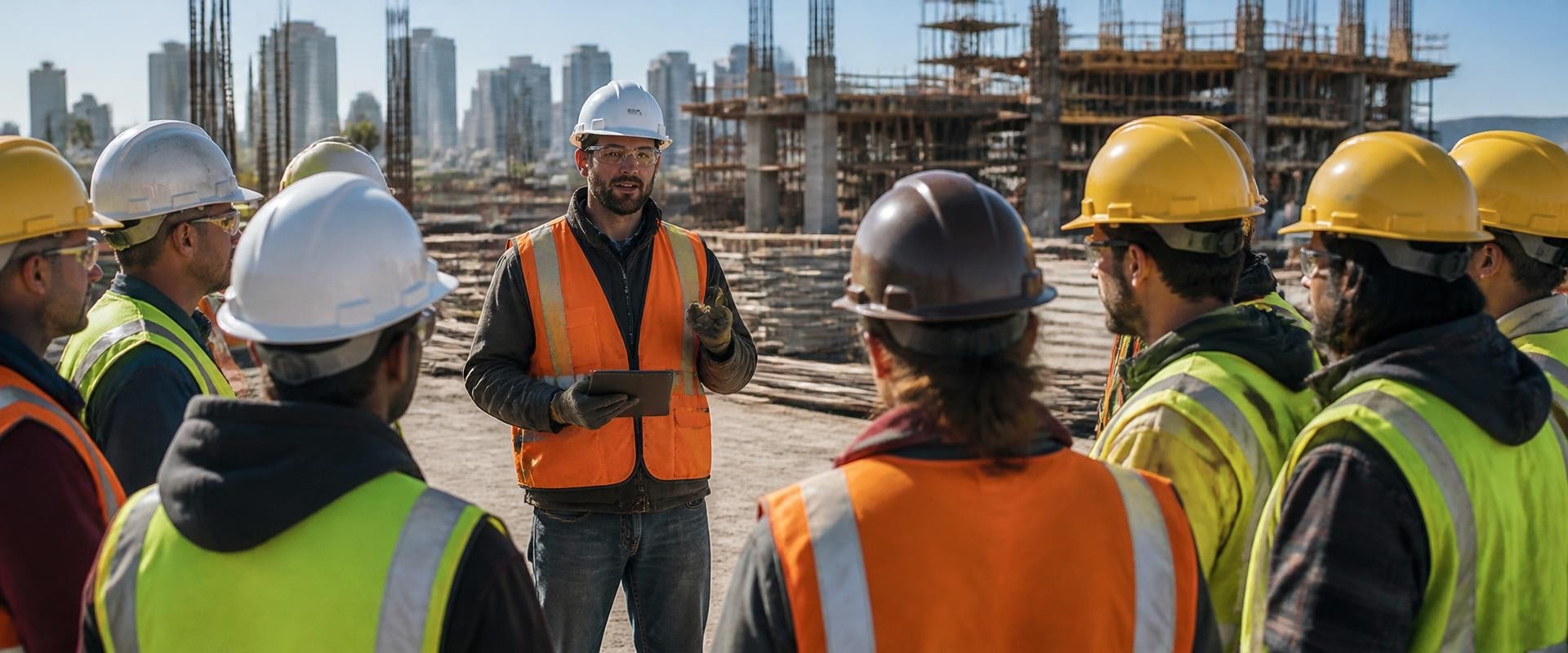
In the bustling construction landscape of San Diego, the importance of Safety training requirements for contractorsSafety training requirements for contractors cannot be overstated. As local projects continue to evolve and expand, it is vital for contractors to stay informed about the latest safety regulations and training mandates.
San Diego Contractor News
serves as a pivotal resource, shedding light on these essential topics. Understanding the nuances of safety training not only protects workers but also ensures compliance with state and local laws, ultimately fostering a culture of safety within the industry. As regulations change and new safety protocols are introduced, contractors must navigate these challenges effectively.This article aims to provide a comprehensive overview of the safety training requirements that contractors in San Diego need to adhere to, ensuring they are equipped with the knowledge necessary to operate safely and legally. From understanding the various types of training programs available to recognizing the significance of certification, this guide will illuminate the path towards a safer working environment. Whether you are a seasoned contractor or just starting your journey in the construction field, staying abreast of safety training requirements is crucial. Join us as we delve into this vital aspect of contracting in San Diego, brought to you by San Diego Contractor News, where we strive to keep our readers informed about the ever-changing regulations and best practices in the industry. Understanding the Safety training requirements for contractors is crucial for ensuring a safe working environment in the construction industry, particularly in a bustling area like San Diego. The construction sector is inherently fraught with risks, making robust safety training not just beneficial but essential.
For contractors and homeowners alike, staying informed about these requirements is vital, and San Diego Contractor News serves as an invaluable resource, offering updates and insights into local regulations and safety standards. In San Diego, contractors must adhere to specific safety training requirements mandated by both local regulations and state laws. A significant framework governing workplace safety is provided by the Occupational Safety and Health Administration (OSHA) regulations. These rules set forth requirements for various aspects of safety training, emphasizing the need for contractors to ensure their teams are well-versed in safety practices. For example, contractors must complete safety training that covers fall protection, scaffolding safety, and hazard communication, among other topics. In addition to OSHA regulations, California state law imposes further requirements.
Contractors are often required to obtain specific certifications that demonstrate their knowledge of workplace safety protocols. Some of these certifications may include the Cal/OSHA Outreach Training Program cards for general industry or construction safety. These cards are evidence that the contractor has undergone necessary training and understands the risks associated with their work environment. Contractors can access a variety of reputable training programs designed to meet these regulatory requirements. Organizations such as the National Safety Council and local community colleges offer courses tailored to construction safety.
Many of these programs not only fulfill regulatory compliance but also enhance the overall safety culture within construction firms. By participating in these programs, contractors can ensure they are equipped with the latest knowledge and skills to mitigate risks effectively. The consequences of failing to meet these safety training requirements can be severe. Legally, non-compliance can result in fines and penalties from regulatory bodies, which can significantly impact a contractor's business operations and reputation. However, the implications extend beyond just legal repercussions; inadequate training can lead to workplace accidents, injuries, or even fatalities, endangering workers and undermining client trust. Recent updates to regulations also warrant attention from contractors.
Changes in OSHA guidelines or state mandates can affect what training is required or how it must be conducted. Keeping abreast of these updates is essential for contractors looking to avoid potential pitfalls associated with non-compliance. Resources like San Diego Contractor News provide timely information on such changes, making it easier for contractors to stay informed. Homeowners seeking to hire contractors should also have a vested interest in understanding these safety training requirements. Knowing that a contractor complies with local regulations not only ensures a safer project environment but also adds confidence in the contractor's professionalism and reliability.
Homeowners should inquire about a contractor's safety training records and certifications before hiring them. For contractors themselves, ensuring compliance with safety training requirements is paramount not only for legal reasons but also for fostering a culture of safety that benefits everyone involved in construction projects. Addressing any questions or concerns regarding compliance head-on—through discussions with industry peers or utilizing resources such as San Diego Contractor News—can help maintain high standards within their operations.
Benefits of Compliance with Safety Training
Adhering to safety training requirements offers numerous advantages for contractors, particularly in the dynamic construction industry of San Diego. One of the most significant benefits is the reduction of accidents. When contractors prioritize safety training, they equip their workforce with the knowledge and skills necessary to identify potential hazards and implement effective safety measures.This proactive approach not only minimizes the risk of on-site accidents but also protects the health and well-being of all workers involved. Moreover, compliance with safety training requirements enhances client trust. Homeowners and project stakeholders are more likely to engage contractors who demonstrate a commitment to safety. This trust can lead to more successful business relationships, as clients feel secure knowing that their projects are in the hands of professionals who prioritize safety. Additionally, being compliant with local regulations, as highlighted by San Diego Contractor News, shows that a contractor is knowledgeable about the law and dedicated to maintaining high standards, further solidifying their reputation in the industry. In conclusion, the advantages of adhering to safety training requirements extend beyond mere compliance.
By fostering a culture of safety, contractors not only protect their teams but also build lasting relationships with clients based on trust and reliability.
Key Safety Regulations for Contractors
In the vibrant construction landscape of San Diego, understanding the key safety regulations that govern contractor work is crucial for ensuring compliance and fostering a safe working environment. These regulations are designed to protect not only the workers on-site but also the general public and the clients who hire them. San Diego Contractor News serves as a vital resource for contractors seeking to navigate these essential standards. One of the primary frameworks guiding safety practices in San Diego is the California Code of Regulations (CCR), particularly Title 8, which addresses occupational safety and health standards. This set of regulations outlines specific requirements for various construction activities, including fall protection, personal protective equipment (PPE), and scaffolding safety.Contractors must familiarize themselves with these provisions to avoid penalties and ensure a safe workplace. Additionally, contractors are required to adhere to the Cal/OSHA standards, which encompass a wide range of topics such as hazard communication, electrical safety, and excavation safety. These regulations are enforced by the California Division of Occupational Safety and Health, which conducts inspections and provides resources to help contractors comply with safety mandates. Furthermore, local ordinances in San Diego may impose additional safety requirements. For instance, contractors must be aware of specific guidelines related to noise control, dust mitigation, and environmental impact assessments. By staying updated through resources like San Diego Contractor News, contractors can remain informed about any changes in these local codes that may affect their operations. Overall, compliance with these safety regulations not only minimizes risks but also enhances the reputation of contractors within the community.
Ensuring that all team members are well-trained and knowledgeable about these requirements fosters a culture of safety that benefits everyone involved in construction projects.
Mandatory Safety Training Programs
In the construction industry, mandatory safety training programs are essential for ensuring that contractors are equipped with the necessary knowledge and skills to operate safely on job sites. Compliance with these programs not only protects the workers but also enhances the overall safety of the project and its stakeholders. In San Diego, contractors must adhere to specific training requirements mandated by local regulations. One of the primary programs required is the OSHA 10-Hour Construction Course, which provides an introduction to the most common safety and health hazards on construction sites. This training covers essential topics such as fall protection, electrical safety, and hazard communication.Additionally, contractors are often required to complete the OSHA 30-Hour Construction Course, which offers a more in-depth exploration of safety practices and regulations. Another crucial component of safety training is first aid and CPR certification. This training equips contractors with the skills necessary to respond effectively to medical emergencies on site. Having personnel who are certified in first aid and CPR can significantly reduce response times in critical situations, thereby enhancing workplace safety. Furthermore, specific training may be mandated based on the nature of the work being performed. For instance, contractors involved in demolition must complete a Demolition Safety Training Program, while those working with hazardous materials should undergo Hazardous Waste Operations and Emergency Response (HAZWOPER) training. Staying updated with these mandatory safety training programs is crucial for all contractors operating in San Diego.
Resources like San Diego Contractor News provide valuable insights into the latest regulations and training opportunities available, helping contractors remain compliant and informed.
Resources for Contractors
For contractors in San Diego, finding the right training resources is essential to ensure compliance with safety regulations and enhance their skills. Numerous local organizations and online platforms offer valuable training opportunities tailored to the construction industry. One prominent resource is the San Diego Community College District, which provides various courses focused on construction safety and regulations. Their offerings include both in-person classes and online options, making it easier for contractors to find training that fits their schedules. Additionally, organizations like OSHA (Occupational Safety and Health Administration) offer free online courses that cover essential safety topics relevant to contractors. These courses are a great way to stay updated on federal safety standards and best practices. Local workshops hosted by industry associations, such as the Associated General Contractors of America (AGC), also present excellent opportunities for hands-on learning and networking with other professionals in the field.These workshops often focus on specific safety protocols, new regulations, and practical skills. Furthermore, the San Diego Contractor News website serves as a valuable hub for contractors seeking information about upcoming training events, safety updates, and resources available in the community. By regularly checking this platform, contractors can stay informed about the latest developments affecting their industry. In summary, San Diego contractors have access to a variety of training resources through local colleges, online courses, and industry workshops. Engaging with these resources not only helps contractors comply with safety regulations but also ensures a safer working environment for everyone involved in construction projects. In conclusion, this article has highlighted the critical importance of Safety Training Requirements for Contractors operating in San Diego. Safety training is not just a regulatory obligation; it is a fundamental aspect of ensuring the well-being of both contractors and clients within the construction industry.
By adhering to key safety regulations and participating in mandatory training programs, contractors can significantly reduce risks on job sites, ultimately benefiting their business and the community at large. As emphasized throughout the article, resources like San Diego Contractor News play a vital role in helping contractors stay informed about the latest developments in safety regulations and training requirements. We encourage all contractors to actively engage with these resources and remain compliant with safety regulations to foster a safer working environment for everyone involved.