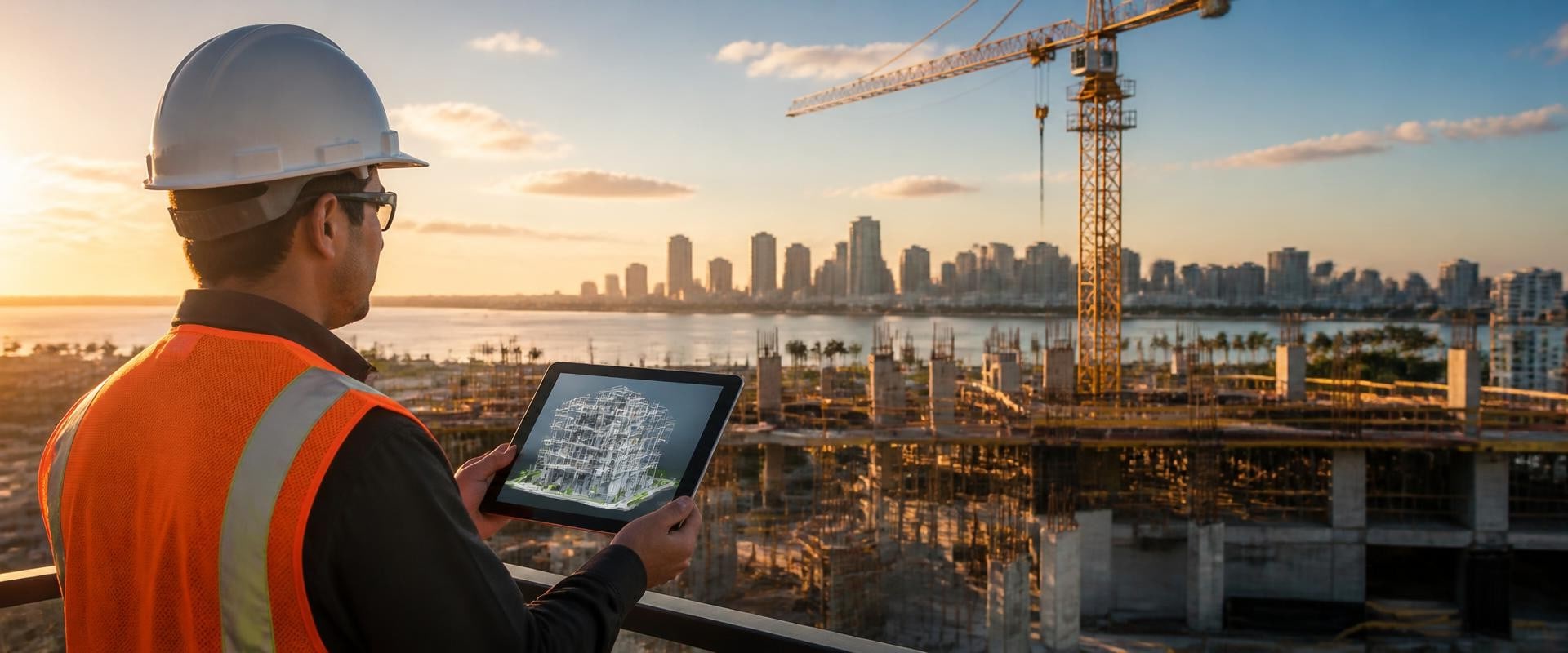
In the rapidly evolving landscape of construction, the integration of technology is reshaping traditional methods and practices. San Diego Contractor NewsSan Diego Contractor News is at the forefront of this transformation, shedding light on the innovative strategies that are revolutionizing the way construction planning is approached. One of the most significant advancements in this field is the use of AI in construction planning, a game-changing trend that promises to enhance efficiency, reduce costs, and improve project outcomes. As we delve deeper into this topic, it becomes clear that AI is not just a buzzword; it is a powerful tool that can analyze vast amounts of data, optimize scheduling, and predict potential challenges before they arise. In a city like San Diego, where construction projects are booming and demand for smart solutions is high, understanding how AI can be leveraged in construction planning is crucial for industry professionals.
This article will explore the various ways AI is making an impact in the construction sector, from advanced project management tools to predictive analytics and beyond, offering insights that are vital for anyone looking to stay ahead in this competitive environment. The construction industry is undergoing a transformative shift, largely driven by the integration of artificial intelligence (AI) technologies. In San Diego, where the construction landscape is continuously evolving, the significance of AI in construction planning cannot be overstated. Local resources such as San Diego Contractor News play a crucial role in keeping homeowners and contractors informed about the latest advancements, regulations, and industry trends, especially as they relate to the adoption of AI tools in project management. One of the most impactful applications of AI in construction planning is project scheduling. Traditional scheduling methods often lead to inefficiencies due to human error and unforeseen variables.
AI algorithms can analyze vast amounts of data to optimize schedules, predict potential delays, and suggest adjustments in real-time. For instance, a recent project in downtown San Diego utilized AI-driven scheduling software, which allowed project managers to anticipate delays caused by weather conditions and adjust timelines proactively, leading to timely project completion. Another critical area where AI proves its worth is in resource allocation. By employing machine learning models, contractors can better understand how to distribute labor and materials effectively across various tasks. This not only maximizes productivity but also minimizes waste, which is particularly important in a resource-sensitive environment like San Diego.
An example can be seen in a residential development project where AI tools assessed resource needs based on the project's phase, leading to significant cost savings while ensuring that all necessary materials were available when required. Risk management is another domain where AI has started to make significant inroads. Through predictive analytics, AI systems can identify potential risks before they become critical issues. For example, by analyzing historical data from similar projects, AI can forecast possible safety hazards or compliance issues related to building codes and regulations specific to San Diego. This proactive approach not only enhances safety but also reduces the likelihood of costly legal complications arising from non-compliance with local regulations. Cost estimation is yet another facet where AI is revolutionizing how contractors approach budgeting.
Advanced algorithms can calculate material and labor costs with unprecedented accuracy by analyzing data from previous projects and current market conditions. For contractors in San Diego, this means more accurate bids and fewer financial surprises during project execution. A local contractor recently shared how integrating AI into their cost estimation process allowed them to win several competitive bids by providing realistic estimates that aligned closely with actual expenses. Despite these advancements, the implementation of AI tools does come with challenges. Contractors may face hurdles such as the initial investment required for AI technologies and the need for staff training to effectively utilize these tools.
Additionally, there are specific regulations and building permits that may affect how AI solutions are integrated into construction processes in San Diego. Understanding these legal frameworks is essential for both contractors and homeowners looking to adopt new technologies. Collaboration between tech companies and local contractors is becoming increasingly common as a way to address these challenges. Partnerships are forming to create tailored AI solutions that meet the unique demands of San Diego’s construction environment. These collaborations not only foster innovation but also ensure that local contractors remain competitive in an industry that is rapidly evolving. In conclusion, the growing role of AI technology in streamlining construction processes and improving efficiency in project planning is undeniable.
As highlighted by resources like San Diego Contractor News, staying informed about these technological advances will be key for contractors and homeowners alike as they navigate this new landscape.
The Role of AI in Project Scheduling
The integration of AI technology in construction planning is transforming the way project scheduling is approached, particularly in regions like San Diego. By utilizing advanced algorithms, AI can analyze vast amounts of data from previous construction projects, identifying patterns and trends that human planners might overlook. This capability enables more accurate predictions of project timelines, ensuring that schedules are not only realistic but also adaptable to unforeseen changes. For instance, AI algorithms can assess factors such as resource availability, weather conditions, and historical performance metrics to optimize the scheduling process. By considering these variables, AI can suggest the most efficient allocation of labor and materials, ultimately minimizing delays and maximizing productivity.As a result, contractors and project managers can benefit from a streamlined workflow that enhances overall project efficiency. Moreover, the ability of AI to continuously learn from ongoing projects means that its predictions become more refined over time. This iterative learning process allows for real-time adjustments to schedules, which is crucial in a dynamic environment like construction where changes are frequent. As highlighted by resources such as San Diego Contractor News, staying informed about these technological advancements is essential for local homeowners and contractors alike who wish to remain competitive and efficient in their planning efforts.
Cost Estimation: A New Era with AI
In the ever-evolving landscape of construction planning, AI technology is making significant strides, particularly in the realm of cost estimation. As highlighted by San Diego Contractor News, these advancements are crucial for both contractors and homeowners looking to navigate the complexities of construction projects in San Diego.By leveraging advanced algorithms, AI tools can analyze vast amounts of historical data and current market trends to provide more accurate and reliable cost estimates. Traditionally, cost estimation has been a labor-intensive process, often relying on manual calculations and outdated data. However, with AI, this process is revolutionized. AI systems can quickly assess various factors including material costs, labor rates, and project timelines by pulling data from numerous sources. This not only reduces the time required for estimating costs but also enhances accuracy, minimizing the risk of budget overruns that can plague construction projects. Furthermore, these AI tools continually learn from new data, adapting to changing market conditions and improving their predictive capabilities.
This dynamic approach allows contractors to make informed decisions early in the planning phase, ultimately leading to better resource allocation and project management. As San Diego Contractor News emphasizes, staying informed about these technological advancements is essential for local contractors who aim to remain competitive in the market.
Challenges of Integrating AI in Construction Practices
While the integration of AI in construction planning offers numerous advantages, it is not without its challenges. One of the most significant hurdles is resistance to change among workers. Many individuals in the construction industry have traditionally relied on established methods and may be hesitant to adopt new technologies.This skepticism can stem from a lack of understanding of AI's benefits or fear of job displacement due to automation. Another critical factor to consider is the costs of implementation. Adopting AI technologies often requires substantial financial investment, which can be daunting for smaller firms or those operating on tight budgets. This includes expenses related to software acquisition, hardware upgrades, and ongoing maintenance. It is essential for companies to weigh these costs against the long-term benefits that AI can provide in terms of efficiency and project management. Finally, there is a pressing need for training.
For AI technologies to be effective, workers must be adequately trained to utilize them. This training process can be time-consuming and may involve additional costs. Ensuring that all team members are proficient with AI tools is crucial for maximizing their potential and ensuring a smooth transition into more advanced construction practices. As highlighted by resources like San Diego Contractor News, staying informed about these challenges and the overall impact of AI on the construction industry is vital for local homeowners and contractors. By addressing these hurdles head-on, firms can better position themselves to benefit from the efficiencies and innovations that AI brings to construction planning.
Enhancing Resource Allocation with AI
In the ever-evolving landscape of construction, the use of AI in construction planning is proving to be a game-changer, particularly in San Diego.By harnessing the power of artificial intelligence, construction companies can significantly enhance their resource allocation strategies. This not only ensures that labor and materials are utilized more effectively but also contributes to overall project efficiency and cost savings. For local homeowners and contractors, staying updated on these advancements is crucial, and resources like San Diego Contractor News play a vital role in disseminating this information. AI technologies can analyze vast amounts of data related to project requirements, timelines, and available resources. This analysis allows for better forecasting and scheduling, ensuring that the right amount of labor and materials are available at the right time.
By optimizing these elements, AI minimizes waste and reduces delays caused by resource shortages or overages. Furthermore, predictive algorithms can assist project managers in making informed decisions about when to allocate resources based on historical data and current project dynamics. Additionally, AI tools can facilitate real-time monitoring of resource usage throughout a project's lifecycle. This capability means that if a particular material is running low or if labor is not being utilized efficiently, adjustments can be made swiftly to prevent potential setbacks. The result is a more agile construction process that can adapt to changing circumstances without compromising on quality or deadlines.
As San Diego continues to grow and develop, embracing AI in construction planning will be essential for contractors looking to stay competitive. Ultimately, the integration of AI into resource management not only streamlines operations but also aligns with the broader industry trends that San Diego Contractor News highlights regularly. Staying informed about these technological advances equips local stakeholders with the knowledge they need to make strategic decisions for their projects.
Navigating Regulations: What Homeowners Need to Know
As the integration of AI technology in construction planning continues to evolve, it is crucial for homeowners in San Diego to understand the regulations that govern its use.San Diego Contractor News
serves as an essential resource, providing updates on local regulations that impact construction projects. These regulations are designed to ensure safety, compliance, and efficiency, especially as new technologies become prevalent in the industry. One of the key aspects homeowners should be aware of is the necessity for permits when implementing AI solutions in their construction projects.Depending on the scope and scale of the project, different types of permits may be required, and the application process can vary. Homeowners must stay informed about the specific permits needed for their projects, which may include zoning permits, building permits, and special approvals related to the use of AI-driven tools. Additionally, compliance with local building codes is essential when utilizing AI in construction planning. These codes dictate standards for safety, structural integrity, and environmental considerations. Homeowners should consult with local authorities or leverage resources like San Diego Contractor News to ensure that their projects adhere to all applicable regulations. Furthermore, as AI technology continues to advance, regulatory bodies may introduce new guidelines or amend existing ones.
This dynamic landscape means that homeowners need to remain vigilant and proactive in understanding how these changes could affect their construction plans. Engaging with local contractors who are knowledgeable about AI implementation and regulatory requirements can also provide valuable insights into navigating this complex environment. In summary, homeowners in San Diego must familiarize themselves with the current regulations surrounding the use of AI in construction. By staying informed through resources like San Diego Contractor News, they can ensure compliance while harnessing the benefits of innovative technologies in their building projects. The integration of AI in construction planning holds transformative potential for both homeowners and contractors in San Diego. As we've explored, AI enhances project scheduling, resource allocation, and cost estimation while helping navigate complex regulations.
This technological evolution not only streamlines processes but also fosters greater efficiency and improved outcomes for projects. Staying informed through resources like San Diego Contractor News is crucial for adapting to these advancements. This platform offers valuable insights into the latest trends and regulatory updates, empowering stakeholders to make informed decisions in an ever-changing landscape. As we look to the future, embracing AI technologies will be key to maximizing project success and maintaining a competitive edge in the construction industry.