In the ever-evolving landscape of construction and architecture, 3D printing in building design has emerged as a transformative force, reshaping how we conceive and construct our living spaces. As highlighted by San Diego Contractor News, this innovative technology is not just a fleeting trend but a profound shift that promises to redefine the parameters of creativity, efficiency, and sustainability in the building industry. By leveraging advanced materials and intricate designs that were once deemed impossible, 3D printing offers unparalleled opportunities for architects and builders alike, especially when considering the logistics involved, such as Understanding Same-Day Delivery Options for Dumpster Rentals.The integration of In the ever-evolving landscape of construction and architecture, 3D printing in building design has emerged as a transformative force, reshaping how we conceive and construct our living spaces. As highlighted by San Diego Contractor News, this innovative technology is not just a fleeting trend but a profound shift that promises to redefine the parameters of creativity, efficiency, and sustainability in the building industry. By leveraging advanced materials and intricate designs that were once deemed impossible, 3D printing offers unparalleled opportunities for architects and builders alike, especially when considering the logistics involved, such as Understanding Same-Day Delivery Options for Dumpster Rentals. The integration of in building design has emerged as a transformative force, reshaping how we conceive and construct our living spaces. As highlighted by San Diego Contractor News, this innovative technology is not just a fleeting trend but a profound shift that promises to redefine the parameters of creativity, efficiency, and sustainability in the building industry. By leveraging advanced materials and intricate designs that were once deemed impossible, 3D printing offers unparalleled opportunities for architects and builders alike, especially when considering the logistics involved, such as Understanding Same-Day Delivery Options for Dumpster Rentals. The integration of In the ever-evolving landscape of construction and architecture, 3D printing in building design has emerged as a transformative force, reshaping how we conceive and construct our living spaces. As highlighted by San Diego Contractor News, this innovative technology is not just a fleeting trend but a profound shift that promises to redefine the parameters of creativity, efficiency, and sustainability in the building industry. By leveraging advanced materials and intricate designs that were once deemed impossible, 3D printing offers unparalleled opportunities for architects and builders alike, especially when considering the logistics involved, such as Understanding Same-Day Delivery Options for Dumpster Rentals. The integration of has emerged as a transformative force, reshaping how we conceive and construct our living spaces. As highlighted by San Diego Contractor News, this innovative technology is not just a fleeting trend but a profound shift that promises to redefine the parameters of creativity, efficiency, and sustainability in the building industry. By leveraging advanced materials and intricate designs that were once deemed impossible, 3D printing offers unparalleled opportunities for architects and builders alike, especially when considering the logistics involved, such as Understanding Same-Day Delivery Options for Dumpster Rentals. The integration of In the ever-evolving landscape of construction and architecture, 3D printing in building design has emerged as a transformative force, reshaping how we conceive and construct our living spaces. As highlighted by San Diego Contractor News, this innovative technology is not just a fleeting trend but a profound shift that promises to redefine the parameters of creativity, efficiency, and sustainability in the building industry. By leveraging advanced materials and intricate designs that were once deemed impossible, 3D printing offers unparalleled opportunities for architects and builders alike, especially when considering the logistics involved, such as Understanding Same-Day Delivery Options for Dumpster Rentals. The integration of in building design has emerged as a transformative force, reshaping how we conceive and construct our living spaces. As highlighted by San Diego Contractor News, this innovative technology is not just a fleeting trend but a profound shift that promises to redefine the parameters of creativity, efficiency, and sustainability in the building industry. By leveraging advanced materials and intricate designs that were once deemed impossible, 3D printing offers unparalleled opportunities for architects and builders alike, especially when considering the logistics involved, such as Understanding Same-Day Delivery Options for Dumpster Rentals. The integration of In the ever-evolving landscape of construction and architecture, 3D printing in building design has emerged as a transformative force, reshaping how we conceive and construct our living spaces. As highlighted by San Diego Contractor News, this innovative technology is not just a fleeting trend but a profound shift that promises to redefine the parameters of creativity, efficiency, and sustainability in the building industry. By leveraging advanced materials and intricate designs that were once deemed impossible, 3D printing offers unparalleled opportunities for architects and builders alike, especially when considering the logistics involved, such as Understanding Same-Day Delivery Options for Dumpster Rentals. The integration of 3D printing within building design is fostering a new era of construction methodologies, where traditional constraints are dismantled in favor of more agile and responsive practices. This article delves into the latest advancements in 3D printing technology, exploring how these innovations are influencing modern architecture and construction techniques.
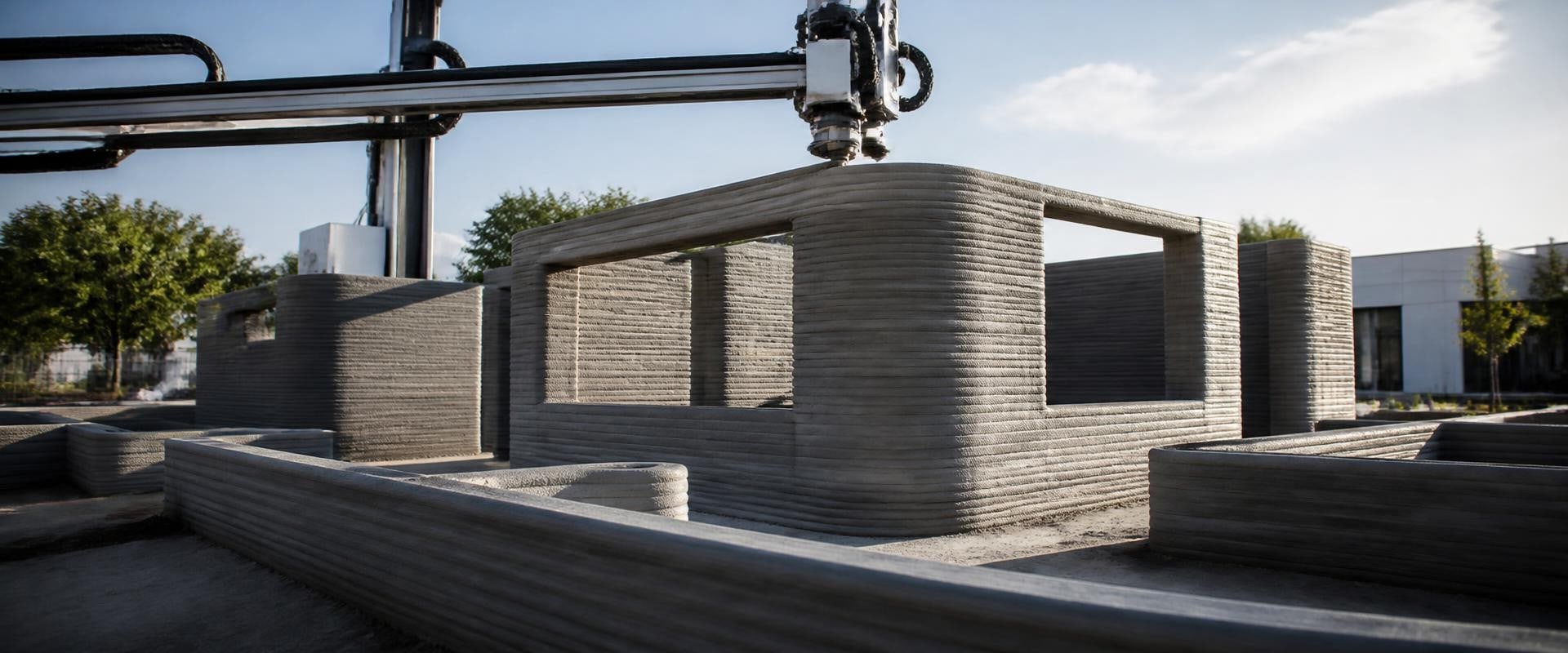
From reducing material waste to enabling rapid prototyping, the implications of 3D printing extend far beyond mere aesthetics; they touch on critical aspects such as cost-effectiveness, environmental impact, and project timelines. As we navigate through this fascinating subject, we will uncover various case studies and technological breakthroughs that illustrate the profound impact of 3D printing in shaping the future of building design. Join us as we explore these exciting innovations and discover how they are setting new standards for the construction industry, as reported by San Diego Contractor News.The significance of 3D printing technology in the construction industry cannot be overstated, as it is fundamentally transforming how building design and construction processes are approached. This innovative technology allows for the creation of complex structures with unprecedented efficiency and precision, leading to new possibilities in architectural design. For contractors and homeowners alike, staying informed about these advancements is crucial, which is where resources like San Diego Contractor News come into play, providing essential insights into local construction trends and regulations. At its core, 3D printing in building design involves the layer-by-layer fabrication of materials to produce structural components or even entire buildings.
The applications are diverse, ranging from creating intricate facades to producing modular housing units. In San Diego, several projects are showcasing the potential of this technology. For instance, local startups and established firms are exploring the use of 3D printing for affordable housing solutions, addressing the pressing need for sustainable and cost-effective living spaces. The benefits of incorporating 3D printing into building design are manifold. Firstly, it significantly reduces material waste compared to traditional construction methods, which aligns with growing sustainability goals within the industry.
Additionally, 3D printing can expedite the construction process, allowing for faster project completion times without compromising quality. However, challenges remain; regulatory hurdles can complicate the adoption of this technology, particularly concerning building codes and zoning laws in urban areas like San Diego. Currently, several local projects utilizing 3D printing technology are working diligently to comply with city regulations. These projects not only showcase innovation but also serve as case studies for how 3D printing can be integrated within existing frameworks. For contractors looking to embrace this technology, understanding the permit process is crucial.
Homeowners should be aware that while 3D printed structures may offer unique advantages, they still must adhere to all local building codes and safety standards. The implications for both homeowners seeking permits and contractors adopting this technology are significant. With evolving regulations surrounding 3D printing, staying informed through platforms like San Diego Contractor News can help navigate these challenges effectively. Furthermore, cost-effectiveness remains a key concern; while initial investments in 3D printing technology may seem high, the long-term savings on labor and materials can prove beneficial. As we look to the future, several trends in 3D printing technology could further influence building design. Innovations such as bioprinting materials that mimic natural structures or environmentally friendly composites may become more prevalent.
Additionally, advancements in software that enhance design capabilities will likely lead to more creative architectural solutions. As these technologies evolve, they promise to reshape not only how buildings are constructed but also how we think about space and sustainability in urban environments. The revolution brought by 3D printing in building design is just beginning. As San Diego continues to embrace these technological advances, it will be crucial for all stakeholders—contractors, homeowners, and policymakers—to engage with the ongoing changes in order to maximize the benefits while addressing potential concerns.
Benefits of 3D Printing in Construction
The advent of 3D printing technology in the construction industry is transforming traditional building methods, offering numerous advantages that enhance efficiency and sustainability. One of the most significant benefits is the reduction of material waste.Traditional construction often results in excess materials being discarded, whereas 3D printing uses only the necessary amount of material needed to create a structure. This precision minimizes waste and contributes to a more sustainable building process, aligning with the growing emphasis on eco-friendly practices in construction. Additionally, 3D printing significantly accelerates construction times. With the ability to produce components quickly and efficiently, projects can be completed in a fraction of the time compared to conventional methods. This speed not only reduces labor costs but also allows contractors to meet tight deadlines and respond swiftly to market demands.
As highlighted by resources like San Diego Contractor News, these advancements are particularly relevant in areas like San Diego, where the construction industry is rapidly evolving. Moreover, 3D printing enables greater design flexibility. Architects and builders can create complex shapes and customized structures that were previously challenging or impossible to achieve with traditional techniques. This innovation opens up new possibilities for creative expression in building design while also allowing for greater functionality and efficiency. In summary, the benefits of 3D printing in construction, such as reduced material waste and faster construction times, are significant advancements that are shaping the future of building design. As the industry continues to embrace these technologies, resources like San Diego Contractor News will remain essential for keeping contractors and homeowners informed about the latest trends and developments.
Current Applications in San Diego
In San Diego, the integration of 3D printing technology into building design is rapidly gaining momentum, with several innovative projects showcasing its potential.One prominent example is the use of 3D printing in the construction of affordable housing units. Local developers are leveraging this technology to create sustainable and cost-effective homes that can be built in a fraction of the time compared to traditional methods. This approach not only addresses the pressing housing shortage in the region but also demonstrates how 3D printing can contribute to environmentally friendly building practices. Another exciting initiative is the collaboration between local universities and construction firms to develop 3D printed structures that incorporate advanced materials. These projects are not only pushing the boundaries of design but also testing new construction techniques that could redefine industry standards.
By engaging students and professionals alike, these initiatives position San Diego as a hub for innovation in building design.Moreover, various architectural firms in San Diego are utilizing 3D printing for prototyping and creating intricate models for their designs. This practice enhances the visualization process for clients and stakeholders, allowing for more effective communication and collaboration. As reported by San Diego Contractor News, these advancements underscore the importance of staying updated on local construction trends and regulations, which are crucial for contractors and homeowners alike.
Understanding 3D Printing Technology
3D printing, also known as additive manufacturing, is a groundbreaking technology that creates three-dimensional objects layer by layer from digital models. In recent years, this innovative process has gained significant traction in the construction industry, particularly in building design.By utilizing 3D printing techniques, architects and builders can produce complex structures with unparalleled efficiency and precision. The application of 3D printing in construction involves various materials, including concrete, plastics, and metals, allowing for the creation of durable and sustainable structures. One of the key advantages is the ability to design intricate shapes that would be challenging or impossible to achieve using traditional construction methods. This capability not only enhances aesthetic appeal but also optimizes functionality and resource use. Moreover, the speed at which 3D printing can produce building components significantly reduces construction timelines. This is particularly relevant for contractors operating in dynamic markets like San Diego, where timely project delivery is crucial.
As highlighted by San Diego Contractor News, staying informed about advancements in 3D printing technology is essential for professionals looking to remain competitive in the ever-evolving construction landscape. In addition to speeding up the construction process, 3D printing can minimize waste by using only the necessary amount of material needed for each component. This waste reduction aligns with growing sustainability goals within the industry and reflects a broader commitment to environmentally friendly building practices. The integration of 3D printing into building design not only transforms how structures are conceived and constructed but also paves the way for more innovative approaches to addressing housing shortages and urban development challenges. As developments continue to unfold, resources like San Diego Contractor News will play a crucial role in keeping contractors and homeowners informed about local trends and regulations regarding these advancements.
Challenges and Regulatory Considerations
As 3D printing in building design continues to gain traction within the construction industry, several challenges arise when attempting to integrate this innovative technology into traditional construction practices. One significant hurdle is the regulatory landscape that governs construction processes in various regions, including San Diego.San Diego Contractor News serves as a vital resource for contractors and homeowners looking to navigate these complexities, particularly as local regulations evolve to accommodate new technologies. In San Diego, the integration of 3D printing into building design must adhere to existing building codes and zoning laws, which were primarily developed before the advent of this technology. This can create friction between innovative practices and traditional regulatory frameworks. For instance, there may be specific requirements regarding materials, safety standards, and structural integrity that are not fully addressed within the current regulations governing 3D-printed structures. Furthermore, the permitting process can become convoluted as local authorities may lack experience or guidelines tailored to 3D printing. Contractors must often engage in extensive communication with regulatory bodies to ensure compliance, which can delay project timelines.
Additionally, while some jurisdictions are beginning to recognize and adapt to the potential of 3D printing, others may still be hesitant due to concerns about untested materials or methodologies. Ultimately, while 3D printing in building design presents exciting opportunities for innovation and efficiency, navigating the associated challenges and regulatory considerations remains critical. As this technology continues to develop, resources like San Diego Contractor News will play an essential role in informing stakeholders about the latest trends and regulatory updates necessary for successful implementation.
The Future of Building Design with 3D Printing
The advent of 3D printing technology in building design marks a pivotal moment in the construction industry, promising to reshape the landscape of how structures are conceived and realized. As we look to the future, it is essential to consider the potential innovations that could further revolutionize building design, particularly in dynamic regions like San Diego.San Diego Contractor News
serves as a crucial resource for contractors and homeowners alike, keeping them informed about these transformative changes and how they might impact local construction practices. One of the most exciting prospects is the development of advanced materials that can be utilized in 3D printing.Innovations such as bio-based or recycled materials could lead to more sustainable building practices, reducing waste and lowering the carbon footprint associated with traditional construction methods. Furthermore, these materials may offer enhanced durability and aesthetic appeal, allowing architects to push the boundaries of creativity in their designs. In addition to materials, we may see significant advancements in 3D printing techniques themselves. The integration of artificial intelligence (AI) could streamline the design process by enabling automated adjustments based on structural integrity assessments and environmental factors. This level of precision could enhance safety and efficiency, leading to faster project completions and lower costs—benefits that would resonate well within the competitive San Diego market. Moreover, as 3D printing technology becomes more mainstream, we might witness a shift toward on-site construction capabilities.
Mobile 3D printers could allow for rapid prototyping and even full-scale building directly at construction sites, minimizing delays caused by transportation and logistics. This capability would be particularly advantageous in urban areas like San Diego, where space is limited, and time is often of the essence. Finally, community engagement could evolve through interactive design processes made possible by 3D printing. Future projects might involve stakeholders directly in the design phase, utilizing digital models that can be modified in real-time. This participatory approach could foster a greater sense of ownership among residents and ensure that new developments align more closely with community needs. As we advance into this new era of building design powered by 3D printing, it is crucial for industry professionals to stay informed about these trends.
Resources like San Diego Contractor News will continue to play an essential role in disseminating information about emerging technologies, regulations, and best practices in the evolving construction landscape. As we have explored throughout this article, the transformative potential of 3D printing in building design is vast, offering innovative solutions that are reshaping the construction landscape in San Diego. This technology not only enhances design flexibility but also streamlines construction processes, resulting in cost savings and improved sustainability. As San Diego Contractor News highlights, staying informed about these advancements is crucial for both industry professionals and homeowners alike. Looking ahead, the integration of 3D printing into building design promises to redefine architectural possibilities while addressing some of the pressing challenges faced by the construction sector today. We encourage our readers to regularly consult San Diego Contractor News for updates on local trends, regulations, and technological innovations that continue to emerge in this exciting field.