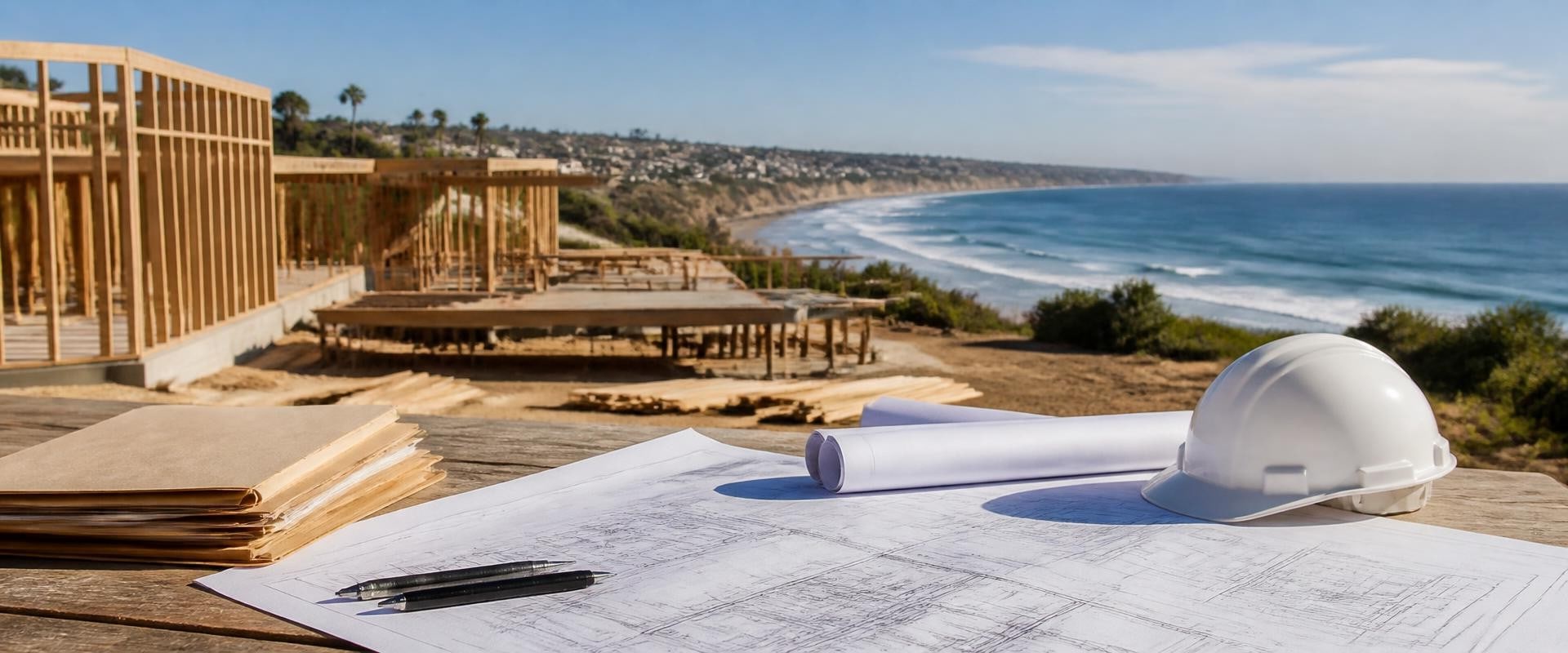
Welcome to San Diego Contractor News, your go-to source for all things related to construction and contracting in San Diego. Whether you are a homeowner looking to undertake a renovation or a contractor navigating the complexities of local regulations, understanding the nuances of state-specific permit requirements is crucial. Each state has its own set of rules and guidelines that can significantly impact your project timelines and costs, making it essential to stay informed about the latest developments. In this article, we will explore the various state-specific permit requirements that apply to construction projects in San Diego. From residential renovations to commercial developments, knowing what permits are necessary can save you time, money, and potential legal headaches.
By delving into the specifics of these regulations, we aim to provide clarity and guidance for both seasoned professionals and those new to the industry. Join us as we break down the essential elements of the permitting process in San Diego, ensuring that you have all the information needed to successfully navigate this vital aspect of your construction endeavors. Stay tuned for insights that will help you understand how state-specific permit requirements shape the landscape of construction in our vibrant city. Understanding state-specific permit requirements is crucial for anyone involved in construction projects, whether they are homeowners or contractors. Staying updated on these requirements can mean the difference between a successful project and one fraught with legal implications and costly delays.
San Diego Contractor News
serves as a vital resource, helping stakeholders keep abreast of the latest regulations, news, and trends in the construction industry, which is essential for navigating the often complex world of building permits. In San Diego, several types of permits are commonly required for both residential and commercial construction.These include building permits, electrical permits, plumbing permits, and more specialized permits depending on the nature of the project. Each type of permit serves a specific purpose, ensuring that construction meets safety standards and local codes. For instance, a building permit is typically needed for any structural changes to a property, while electrical and plumbing permits are necessary when installing or modifying systems that involve electricity or water. The application process for these permits can vary significantly. Generally, homeowners and contractors will need to submit detailed plans that outline the scope of work, along with any relevant documentation such as site plans, structural calculations, and proof of contractor licenses.
The typical timeline for obtaining these permits can range from a few weeks to several months, depending on the complexity of the project and the workload of the permitting office. It’s important to factor this timeline into project planning to avoid any potential delays. Recent changes in regulations may also impact permit requirements. For example, new environmental regulations may necessitate additional permits or reviews for projects that affect local ecosystems. Keeping informed about these changes is essential, as they can directly impact project timelines and budgets.
Home renovations like adding a deck or finishing a basement often require specific permits to ensure compliance with building codes. Failure to secure the necessary permits can result in fines, mandated removal of unpermitted work, or complications when selling a property in the future. Homeowners and contractors alike may face challenges during the permitting process. Common hurdles include difficulty in understanding the specific documentation required or navigating the often bureaucratic process of submitting applications. To overcome these challenges, it is advisable to consult resources available through the city of San Diego or local agencies dedicated to assisting with the permitting process.
Utilizing services provided by San Diego Contractor News can also be beneficial, as they provide updates on local news and changes in regulations that affect building permits. In conclusion, understanding state-specific permit requirements is not just about compliance; it is about ensuring that your construction project proceeds smoothly and legally. By staying informed through resources like San Diego Contractor News, homeowners and contractors can mitigate risks associated with permitting issues, ultimately leading to successful project completion.
Resources for Homeowners and Contractors
Understanding state-specific permit requirements is crucial for both homeowners and contractors embarking on construction projects in San Diego. To navigate the complexities of these regulations, various resources are available that can significantly aid in this process. One of the most reliable sources of information is San Diego Contractor News, a dedicated platform that provides updates on industry news, building permits, and regulatory changes.This resource not only keeps you informed but also offers insights that help you make educated decisions regarding your projects. Local government websites are another essential resource for homeowners and contractors. The City of San Diego's official website offers comprehensive information about the permit application process, including necessary forms, fees, and guidelines specific to various types of construction projects. Additionally, these sites often provide contact information for local building departments, allowing direct communication for any questions or clarifications needed. Construction associations, such as the San Diego Building Industry Association (BIA), also serve as valuable resources. They offer educational materials, networking opportunities, and advocacy for the construction industry.
By participating in such associations, contractors can stay updated on best practices and emerging trends that affect their work. Moreover, San Diego Contractor News plays a pivotal role in consolidating information from these various sources, making it easier for readers to access the latest news and trends affecting the construction landscape in San Diego. By regularly visiting their site, both homeowners and contractors can stay informed about changes in state-specific permit requirements and how they may impact upcoming projects.
Recent Changes in Regulations
In recent years, state-specific permit requirements have undergone significant changes that impact both homeowners and contractors in San Diego. Staying updated with these changes is crucial for ensuring compliance and avoiding potential delays in construction projects.San Diego Contractor News
serves as an essential resource for individuals looking to navigate the evolving landscape of building regulations. One notable update has been the introduction of stricter energy efficiency standards, which require new residential buildings to incorporate sustainable materials and practices.These changes aim to reduce the overall carbon footprint of construction projects and may affect the types of permits required for new developments. Additionally, San Diego has seen modifications in zoning laws that could influence where certain types of construction can take place, necessitating a thorough review of local regulations. Moreover, recent updates have also focused on safety regulations, including enhanced structural integrity requirements for buildings in earthquake-prone areas. Contractors and homeowners alike must be aware of these changes to ensure their projects meet the latest safety standards and permit guidelines. As regulations continue to evolve, San Diego Contractor News remains committed to providing timely updates and insights into how these changes affect the construction industry. By keeping informed, homeowners and contractors can better prepare for the permitting process and ensure successful project outcomes.
Types of Construction Permits
Understanding the different types of construction permits is crucial for anyone planning a project in San Diego.San Diego Contractor News serves as a vital resource, providing homeowners and contractors with the latest information on permit requirements to ensure compliance with local regulations. In San Diego, several permits are typically required depending on the scope and nature of the construction work being undertaken. One of the primary permits is the building permit, which is essential for most construction projects. This permit ensures that the proposed work adheres to local codes and safety standards. It is typically required for new constructions, renovations, and major repairs. Another significant type of permit is the electrical permit.
This permit is necessary for any electrical installations or modifications, ensuring that all electrical work complies with safety codes to prevent hazards. The plumbing permit is also crucial, especially for projects involving new plumbing systems or alterations to existing ones. This permit ensures that plumbing work meets health and safety standards. In addition, a mechanical permit may be required for installing or modifying HVAC systems, ensuring that heating and cooling systems are installed safely and efficiently. Lastly, zoning permits may be needed to confirm that the proposed construction aligns with local zoning laws, which govern land use and property development. Understanding these various types of permits helps streamline the construction process and mitigate potential legal issues. For those looking to stay updated on permit regulations in San Diego, San Diego Contractor News offers a wealth of information that can aid in navigating the complexities of construction projects.
How to Apply for Permits
Applying for construction permits in San Diego is a crucial step for any homeowner or contractor embarking on a building project. Understanding the process and having the right documentation can help ensure that your project complies with local regulations.San Diego Contractor News serves as an invaluable resource for keeping up with the latest requirements and changes in the permitting process. The first step in applying for a permit is to determine the type of permit required for your project. This can vary based on the scope of work—whether it’s a simple renovation, new construction, or an addition. Once you've identified the necessary permit, you need to gather all required documentation, which typically includes plans or drawings of the proposed work, site plans, and any relevant contractor information. Next, you will submit your application. In San Diego, this is done through the Development Services Department (DSD).
Applications can be submitted online via the city’s permit portal or in-person at the DSD office. Make sure to include all necessary documents to avoid delays in processing your application. After submitting your application, it will undergo a review process where city officials will assess compliance with zoning laws, building codes, and other regulations. This review can take some time, depending on the complexity of your project and current workload at the DSD. Once your application is approved, you will receive your permit, which must be displayed on-site throughout the duration of your project. Remember that San Diego Contractor News can provide updates and guidance throughout this process, ensuring you're well-informed about any changes that may affect your permits. In conclusion, understanding state-specific permit requirements is crucial for the success of any construction project in San Diego.
By familiarizing yourself with the different types of permits, the application process, and recent regulatory changes, you can ensure that your project runs smoothly and stays compliant. The information provided in this article serves as a guideline to navigate the complexities of permit regulations effectively. We encourage readers to regularly visit San Diego Contractor News for the latest updates on construction news and regulations. Staying informed through trusted resources like San Diego Contractor News is essential for homeowners and contractors alike to remain compliant with state-specific requirements and to adapt to any changes in the industry.